
"G1 G2 G3 G4 G5"
300 article(s) found

How do you drink Sidamo honey coffee?
For the exchange of professional baristas, please pay attention to the honeyed words made by the hands of the coffee workshop (Wechat official account cafe_style). 15g powder, medium fineness grinding (small Fuji ghost tooth cutter 3.5grinding), v60 filter cup, 9193 degrees water temperature, 30g water injection for the first time, steaming for 27 seconds, water injection to 105g water cut off, wait for the water volume of powder bed to be reduced to half and then water injection, slow water injection until 225g water, do not use water at the end.

Introduction to the flavor characteristics of baking degree of raw beans in Katim, Yunnan Province
Yunnan Katim raw bean baking flavor characteristics grinding scale treatment taste Arabica coffee tree is not easy to grow, many kinds of slopes at high altitude, picking also needs to be carried out manually. But it is better to have a balanced taste and less caffeine. Robasta is relatively easy to plant. It is resistant to heat, cold, moisture, drought and tolerance.

Introduction to the taste grinding degree of Ethiopian coffee flavor description method
At present, about 25% of the Ethiopian population directly or indirectly depends on coffee production for a living. The majority of farmers use traditional planting methods. Artificial care of coffee trees, the use of organic fertilizers, do not use harmful pesticides and herbicides, etc. Therefore, most of the coffee produced by Ethiopia is organic coffee. Due to different planting methods, coffee can be divided into forest-semi-forest coffee (Forest or semi-f).
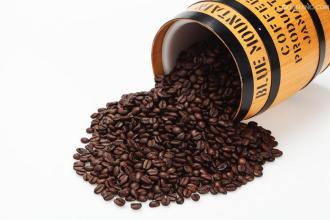
How to bake Katim? -Growing environment Producing area Flavor Description
1. Baoshan City State-owned Lujiang Farm planted 12.6 mu in March 1991. There was no shade in the area. Irrigation was carried out once in dry season. The management level and fertilizer application level were medium and high. The average yield per mu in 1993/94 was 75 kg, 350 kg in 1994/95 and 225 kg in 1995/96

Sidamo honey coffee producing area introduces how to brew Sidamo coffee.
Professional baristas please follow the coffee workshop (Wechat official account cafe_style) Oromia area is one of the sources of coffee in the world, where the aboriginal Oromo, people are the world's first people to use coffee as food, the time can be traced back to the 5th century AD. Oromia is located at about 3-15 degrees north latitude and 33-40 degrees longitude. Because of the origin of its plant species,

Sidama honey flavor describes which brand of Sidamo coffee is good.
The exchange of professional baristas please pay attention to the coffee workshop (Wechat public account cafe_style) treatment methods of this micro-batch coffee fruit first hand selected 100% Red Cherry, then use Agared equipment to remove the skin and flesh, and then the pectin coffee beans will be fermented in a fermentation tank for 36 hours, then after 4 hours of Souking, put into a drying bed of 30mm 1.8m.

Introduction of taste treatment method for baking degree and flavor description of Sidamo coffee beans
Sidamo coffee beans suitable for roasting degree of flavor description taste treatment method Arabica coffee trees are not easy to grow, many on high-altitude slopes, picking also needs to be carried out manually. But it is better to have a balanced taste and less caffeine. Robasta is relatively easy to plant. It is resistant to heat, cold, moisture, drought and tolerance.

Flavor description of Ethiopian Honey Coffee beans introduction to Grinding scale Variety Manor
The Flavor description of Ethiopian Honey Kiss Coffee beans Grinding scale Variety Manor introduces that Ethiopia grows coffee in different climatic zones, so it has more than 140 farm varieties, and fresh coffee is produced all the year round. The quality of Ethiopian coffee varies according to different elevations and regional ecological environment. Harar coffee in the southeast highlands is a typical Muhaka.

Sidamo honey taste aroma Sidamo Coffee types and prices
For the exchange of professional baristas, please pay attention to the honeyed words made by the hands of the coffee workshop (Wechat official account cafe_style). 15g powder, medium fineness grinding (small Fuji ghost tooth cutter 3.5grinding), v60 filter cup, 9193 degrees water temperature, 30g water injection for the first time, steaming for 27 seconds, water injection to 105g water cut off, wait for the water volume of powder bed to be reduced to half and then water injection, slow water injection until 225g water, do not use water at the end.
Introduction to the quality characteristics of the Lion King Flavor description method in Sidamo, Ethiopia
Ethiopian coffee beans introduce Ethiopia's Yirgacheffe coffee, although petite, it is gentle and delicate, sweet and lovely. As the hometown of coffee, thousands of years of planting history and processing tradition in Ethiopia have created high-quality washed Arabica beans. Light baking has unique sweet aromas of lemon, flower and honey, soft acidity and citrus.

How to understand the coffee bean grade system of flavor and taste in each major coffee bean producing area
What's coffee talking about? The brewing of a cup of coffee begins with choosing beans. The flavor and texture of the raw material itself has determined the vocabulary you can tell. There is only one way to choose beans and understand what each coffee bean is talking about, and that is to increase the personal experience of drinking coffee. For example, try coffee from different producing areas in a coffee shop, or go to multiple cafes

Introduction to the variety characteristics of Ethiopian G1 coffee flavor description treatment
Ethiopia Coffee Bean introduction in Ethiopia, the grading and quality control system of coffee is divided into three levels: producer, regional and national. All coffee is inspected by local inspection agencies before leaving the country of origin, and then re-tested at the coffee inspection and grading centers in Addis and Diredawa to determine its quality grade. Coffee is graded before auction and sale.

How to drink Sidamo coffee, Sidamo coffee brewing method
Pay attention to the coffee comment (Weixin Official Accounts vdailycom ) and find a beautiful cafe to open your own shop. 15g powder, medium fineness grinding (small Fuji ghost tooth knife 3.5 grinding), v60 filter cup, 9193 degrees water temperature, the first injection of 30g of water, 27 seconds of stewing, injection to 105g of water cut off water, wait for the powder bed water to drop to half, then slowly inject water,

Flavor description of Sidamo Coffee introduction to the taste of grinding scale variety production area treatment method
Cedamo Coffee Flavor description Grinding scale Variety Regional treatment method Taste introduction Cidamo's grading standard is according to the defect rate, the less the number of defective beans in the same weight standard, the better the quality, the higher the grade! Generally divided into two and three levels (G2, G3), water-washed Sidamo because the treatment process is more perfect than the sun, so most of the G2 level exports are more.
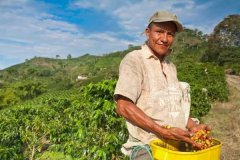
What does the classification of Ethiopian coffee mean by washing and tanning G1?
Ethiopian coffee beans are divided into five levels. The first and second stages are washed beans. Washed beans Grade1 represents 3 defective beans per 300g raw beans, and Grade2 represents 4 defective beans per 300g. Gradc1 grade water washed beans are very rare and are generally difficult to buy. At present, all the washed beans exported from Ethiopia are Grade2 grade. The quality of sun-dried beans is Grade3 and Grade4 in order.

Flavor characteristics, producing areas and boiling ginseng of coffee beans in G _ 1 honey micro-batches washed in Ethiopia
For the exchange of professional baristas, please pay attention to the coffee workshop (Wechat official account cafe_style) production area: Ethiopian Oromia products: Ethiopian native species Haiba: 2000 treatment: washing factory name: coffee factory address: Guangzhou Yuexiu Guan District Baoqian Street 10 Qianjie coffee manufacturers contact information: 20-38364473 shelf life: 90 net content: 227g packaging:

Sitama Charkiso Taste Aroma Charkiso Coffee Types and Prices
Professional barista communication Please pay attention to coffee workshop (Weixin Official Accounts cafe_style ) Flavor description: lemon and citrus, bright and crisp acidity, lemon, citrus, white grape juice, black currant, tail Earl Grey tea Indonesian, African coffee beans adopt this grading method according to the proportion of defective beans, Indonesian beans are mainly divided into 6 grades, namely G1G6. The highest grades of washed beans are G1 and G2;

Is the fine coffee bean washed or sunburned? introduction to African Star Yega Xuefei Peach Water washing G1
Professional coffee knowledge exchange more coffee bean information please follow the coffee workshop (Wechat official account cafe_style) front street-Yejiafei peach washing G1 coffee has a good mellow taste, a high degree of aroma and lively sour taste. Washed coffee beans are divided into Gr-1, Gr-2, the smaller the Arabic numerals, the higher the grade, G1 Yega Chefe style is distinctive, citrus

Description of Flavor of Sunshine Sidamo Coffee beans introduction to Grinding scale for Regional treatment of Manor production
Sun Xidama coffee bean flavor description taste manor production area treatment grinding scale introduction 1. Limu coffee grows between 1400 meters and 2000 meters above sea level. Wash the coffee. Excellent quality, with strong nut aromas, suitable acidity, with the intensity of wine. The annual output is 29000 tons. 2. Jima Coffee grows between 1400 and 1800 meters above sea level. Sun-baked coffee. Micro

Why do 90 + candlelight Ethiopian boutique beans take a completely different approach in naming?
Question1: why are Ethiopian coffee beans always big and small? If you are very fond of African beans, it should be easy to find that Ethiopian beans are generally of different sizes and have significantly lower evenness than those in Kenya. Sometimes roasting appearance can be found in the observation of the same batch of coffee beans, no matter whether it is Yega Xuefei or Sidamo, whether it is washed or insolated.